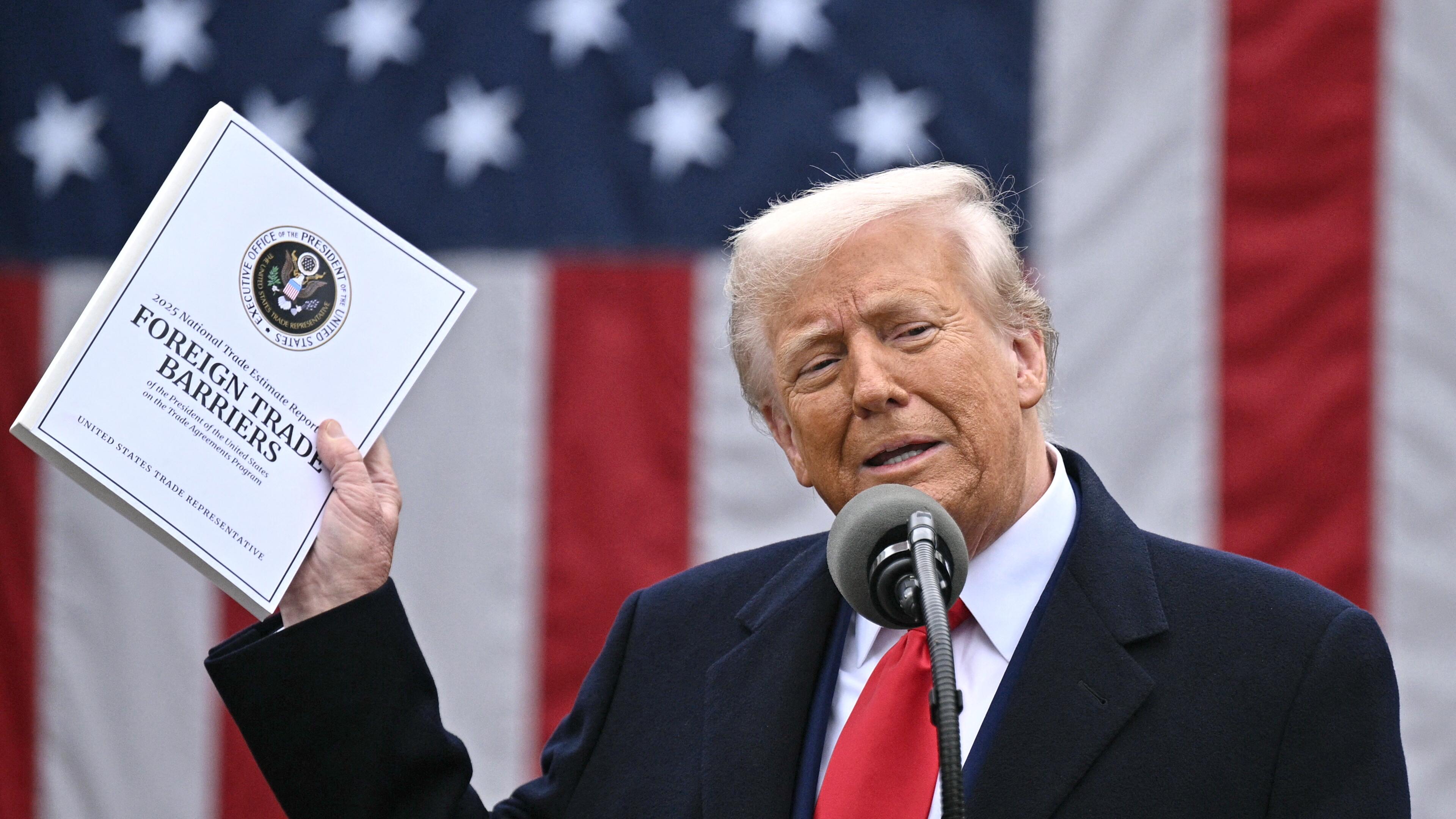
Donald Trump is using tariffs to change how the United States trades with other countries. Tariffs are taxes placed on goods brought in from foreign nations. This policy can shift trade deals and alter the cost of products you buy every day.
What are tariffs and how do they work?
A tariff is a special tax that a government places on items made in another country. When a foreign business sends products across the border, the buying country collects this fee. The company that imports the item must pay the extra cost to the government before selling it to local shoppers.
Governments often use these taxes to protect local businesses from foreign competition. By making imported goods more costly, local items might look cheaper to shoppers. Leaders also use them to pressure other nations during big international trade debates.
How do tariffs affect everyday shoppers?
When foreign makers pay higher taxes, they usually raise their prices to cover the extra cost. Store owners then charge shoppers more money for those same items. This means everyday items like clothing, electronics, and tools can get more expensive quickly.
Higher prices on foreign goods can force families to rethink how they spend their money. If imported food or basic supplies cost more, people have less money left over for other needs. Some shoppers switch to buying local items, but those local prices might also rise when demand goes up.
Why is Trump using tariffs right now?
Donald Trump uses tariffs to encourage companies to make more products inside the United States. He believes high taxes on imports will stop businesses from moving factories overseas. His goal is to protect American workers and boost local manufacturing jobs across the nation.
He also uses these taxes as a tool to negotiate better trade agreements with other nations. By threatening high fees on foreign imports, he aims to force other countries to lower their own barriers against American goods. It is a bold strategic move to reset trade terms with key global partners.
What should you watch for next in global trade?
Other countries often react to tariffs by putting their own tax on American goods. This back-and-forth action can create trade conflicts that hurt businesses on both sides of the ocean. Farmers and exporters in the United States might struggle to sell their goods overseas if foreign taxes go up too high.
In the coming months, leaders will watch how these taxes change the global market. Prices at your local store might shift as companies adapt to the new trade rules. Keep an eye on news reports to see which items might cost more soon.
Comments
Post a Comment